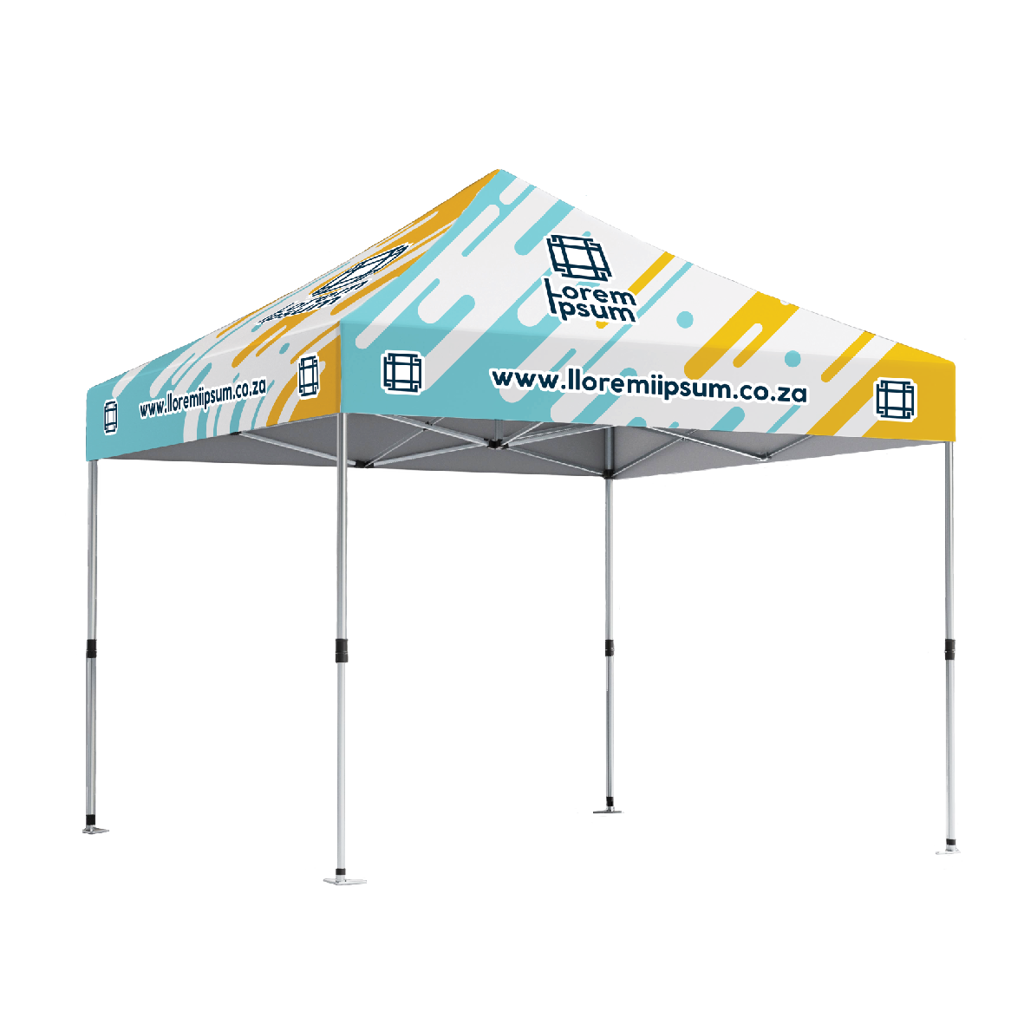
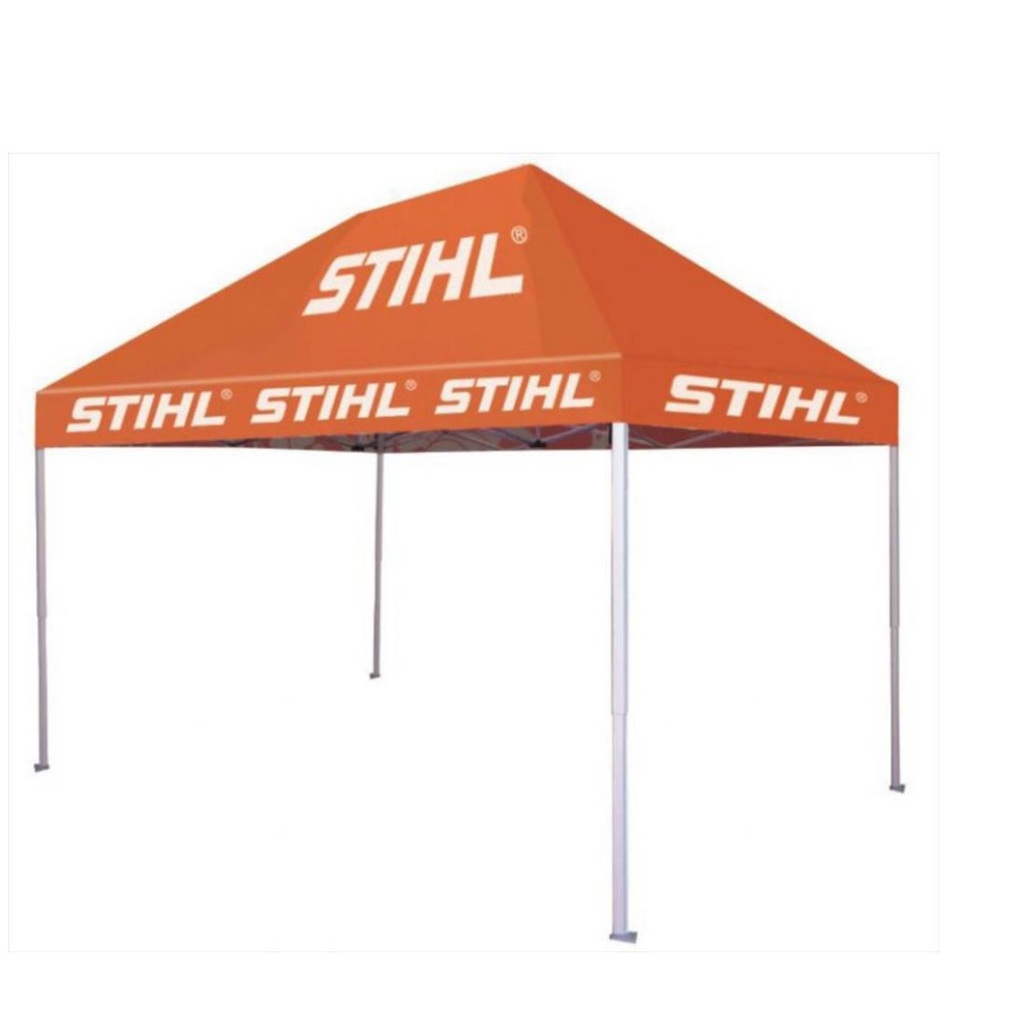
A printed gazebo is one of the highest-impact pieces of event kit you can buy. It works as shelter, signage, a meeting point, and the visual anchor that tells visitors where your brand lives at an event. Get the choice right and the same gazebo earns its keep across years of activations. Get it wrong and you end up with a tent that's the wrong size for your space, takes too long to set up, or that fails the first time it sees real wind.
This guide walks through the decisions that actually matter when you're picking a printed gazebo: size, frame material, single versus double-sided print, and how to match the gazebo to the event type you'll use it at most often.
Start With Footprint, Not Features
The single most useful question to answer first is how much floor space your event organisers have allocated to you. Trade shows, markets and festivals typically rent floor space in increments: a 3x3m pitch, a 3x4.5m corner stand, a 3x6m double pitch. Your gazebo should match that footprint exactly. A 3x3m gazebo on a 3x4.5m pitch leaves awkward dead space; a 3x4.5m gazebo on a 3x3m pitch will overhang into your neighbour's stand or the walkway and you'll be asked to move it.
Branding Warehouse builds gazebos in four standard footprints:
- 2m x 2m: the smallest size, suited to compact information stands and one-person promo points
- 3m x 3m: the most versatile size and the one most events default to
- 3m x 4.5m: mid-size, comfortable for two staff with a branded table and product display
- 3m x 6m: full double pitch, room for a small display, seating area, and full product showcase
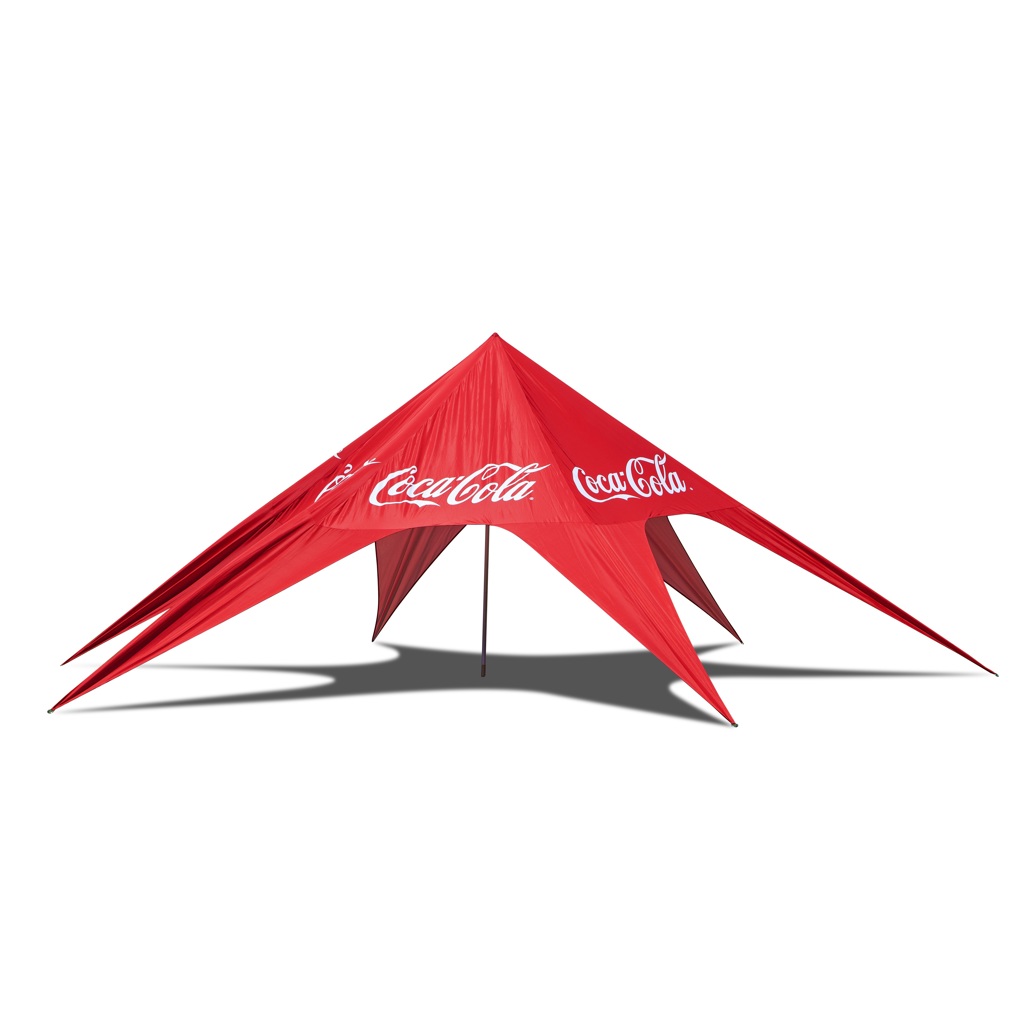
If your activation needs more shade than a fixed-frame gazebo can give (outdoor weddings, hospitality zones, large fan parks), look at the Space Shade tensile structure instead. It covers a much larger area without a rigid centre frame.
Aluminium vs Steel Frames
The frame is what makes a gazebo last. Branding Warehouse builds on anodized aluminium, and the reasons matter:
Weight. Aluminium is roughly 40% lighter than steel for the same strength. That changes everything about how often you actually use the gazebo. A two-person team can put up an aluminium 3x3m in under five minutes. The same job on a steel frame takes longer and tires people out, which means staff are reluctant to set it up for shorter activations.
Corrosion. Anodized aluminium doesn't rust. It also doesn't need touch-up paint, doesn't pit in coastal humidity, and doesn't stain a printed canopy with rust marks the way bare steel can.
Pack-down. Aluminium frames collapse smaller. The whole 3x3m unit fits in a wheeled carry bag that one person can move from a car to a stand. Steel frames need bigger bags and often two-person carrying.
The trade-off is rigidity in heavy wind. Steel is marginally more rigid. For most UK events this isn't a meaningful difference. Every gazebo, regardless of frame, needs to come down or be heavily anchored when wind crosses about 25 mph. The right frame for 99% of events is aluminium. The right answer for high-wind environments is also "anchor it properly," not "buy a heavier frame."
Single-Sided or Double-Sided Print
When you print a gazebo canopy, you can do it two ways:
Single-sided print puts your branding on the outside surface. From within the gazebo, you see the back of the print. The colours are still there but reversed and slightly faded. This is the standard option and it's what most stands use because the people inside are your staff, not customers.
Double-sided print prints both sides of the canopy fabric, with a light-blocking layer between them. From outside you see your full branding. From inside, customers under the gazebo also see branded artwork: your logo, a campaign message, a sponsor's marks. Double-sided makes sense when the underside of the canopy is itself a piece of media: hospitality areas, sponsor zones, photo opportunities.
Don't default to double-sided just because it sounds better. It costs more, and for a market stall or a basic exhibition stand the inside is usually invisible. Save the budget for the parts of the stand customers can actually see.
Walls, Valances and Custom Roof Shapes
The canopy is only half the surface area. The valance, that strip of fabric hanging from the roof edge, is prime real estate for your name and offer because it sits at eye level. Don't waste it on decorative patterns; use it for the words customers need to see (brand, tagline, what you sell).
Side walls extend the gazebo into a fully enclosed booth. Branding Warehouse offers full walls, half-height walls, and combination setups (one full back wall, two half walls). Print the back wall like a backdrop banner. It doubles as a photo background. Print the side walls if your stand will be visible from passing pedestrians on either side; leave them unprinted if you only have foot traffic from the front.
Custom roof shapes (pagoda peaks, scalloped edges) are available but rarely worth the extra cost for a working stand. Customers don't notice the roof shape; they notice the words on the valance and the back wall.
Matching the Gazebo to the Event Type
Here's how the choice maps to common UK event types:
- Sunday market or food fair: 3x3m aluminium with single-sided print. Fast setup, single staff member can run it, packs into a hatchback boot.
- Outdoor trade show or expo: 3x4.5m or 3x6m, with at least one printed back wall. Adds room for product, staff and a meeting table.
- Festival sponsor activation: 3x3m or 3x6m with double-sided canopy print and printed walls. The gazebo is a brand environment, not just shade.
- Sports event or 5K: 3x3m aluminium plus a printed feather flag at the front. The flag pulls people from a distance; the gazebo is where they arrive.
- Hospitality area at a corporate event: 3x6m with full walls, branded tablecloths inside, and ideally a small branded bar table.
If your event is fully outdoor and you also need shade beyond the gazebo footprint, pair it with parasols for satellite areas: overflow seating, registration desks, queue management.
Setup, Anchoring, Storage
A few practical points that aren't choices but get overlooked:
Always weight the legs. Every BW gazebo ships with weight bags, ropes and pegs. On grass, peg and tension. On concrete or paving, fill the weight bags. A 3x3m canopy catches enough wind on a calm-looking day to lift the whole structure if it isn't anchored. And a flying gazebo can hurt people, not just damage your kit.
Pack it down dry. The fastest way to ruin a printed canopy is to fold it wet and leave it in the bag. Mildew sets in within 48 hours and the print starts to spot. If you have to pack down in rain, spread the canopy out the next day to dry before you store it.
Store it out of direct sun. UV is the second-fastest way to fade a print after damp storage. Keep the bagged gazebo in a cupboard, garage or cool storeroom, not on a sun-facing windowsill or in an exposed truck cargo area.
A printed gazebo that's looked after lasts five years and runs through dozens of events. One that gets stored damp lasts one season.
Branding Warehouse manufactures every gazebo in the UK, prints in-house, and ships across the country. Browse the full shade range for sizes and configurations, or contact us if you'd like a recommendation for a specific event.